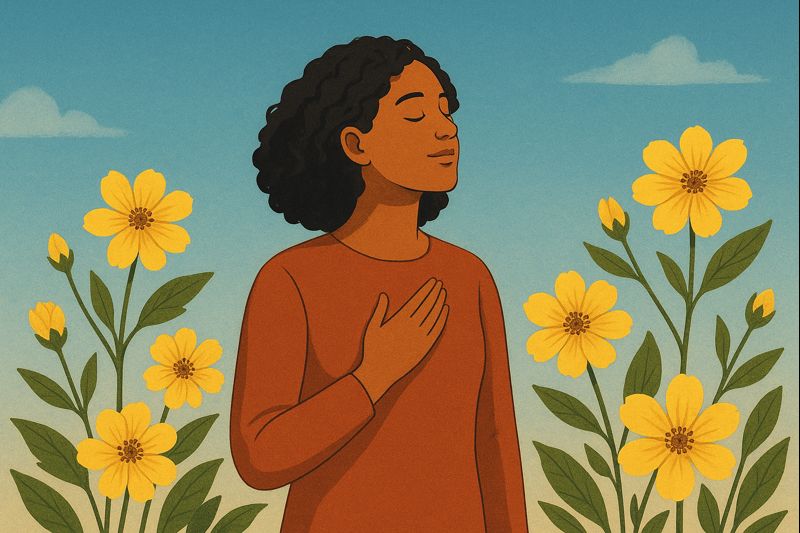
In life, each of us faces difficult moments. From painful losses to unexpected challenges, our ability to adapt and cope with these situations is what determines how well we manage to get through them. This concept, called resilience, is what makes the difference between those who sink under the weight of problems and those who manage to thrive, even in the darkest times.
Resilience is, essentially, our ability to recover from difficulties. It does not mean that we do not feel pain or suffering; on the contrary, it is about how we manage these emotions. Resilient people not only face problems, but also find the inner strength to rise again—more confident and stronger.
Why are some people more resilient than others?
Several factors contribute to the development of resilience. One of the most important is social support. Strong relationships with family, friends, and the community provide a foundation we can rely on when times get tough. A support network can help us feel understood and not alone in the face of challenges.
In addition, positive thinking is essential. People who manage to remain optimistic, even when facing adversity, tend to find solutions more quickly and maintain high morale. They focus their attention on solutions and opportunities, not on problems.
Adaptability is another key aspect. Those who can change quickly and adjust their plans according to circumstances are better prepared to overcome obstacles. The flexibility to accept change is vital in today’s world, where everything is constantly evolving.
Examples of resilience
History is full of examples of people who have demonstrated resilience. Think of Nelson Mandela, who survived years of imprisonment and became a symbol of the fight for freedom. Or J.K. Rowling, who went through financial and personal hardships before becoming the author of a global phenomenon. These stories remind us that, even in the darkest moments, there is the possibility to shine.
How can we develop resilience?
There are many ways we can learn to become more resilient. Practicing mindfulness, for example, can help manage stress and increase awareness of our emotions. Meditation and breathing techniques can help us connect more deeply with our inner selves.
Setting realistic goals is also important. By breaking challenges into small, more manageable steps, we can feel closer to success. And sometimes, professionals can offer valuable help. Counseling or therapy is not a sign of weakness, but an important step on the path to recovery.
In conclusion
Resilience is an essential life skill that helps us not only survive, but also grow and improve. Through social support, positive thinking, and self-care, we can become stronger. Each of us has the potential to thrive in the face of difficulties, and these success stories inspire us to follow this path. Ultimately, it is important to remember that even in the most difficult moments, there is always a way forward.