How Genetics and Habits Shape Human Behavior: The Science Behind Who We Are
How Genetics and Habits Influence Human Behavior

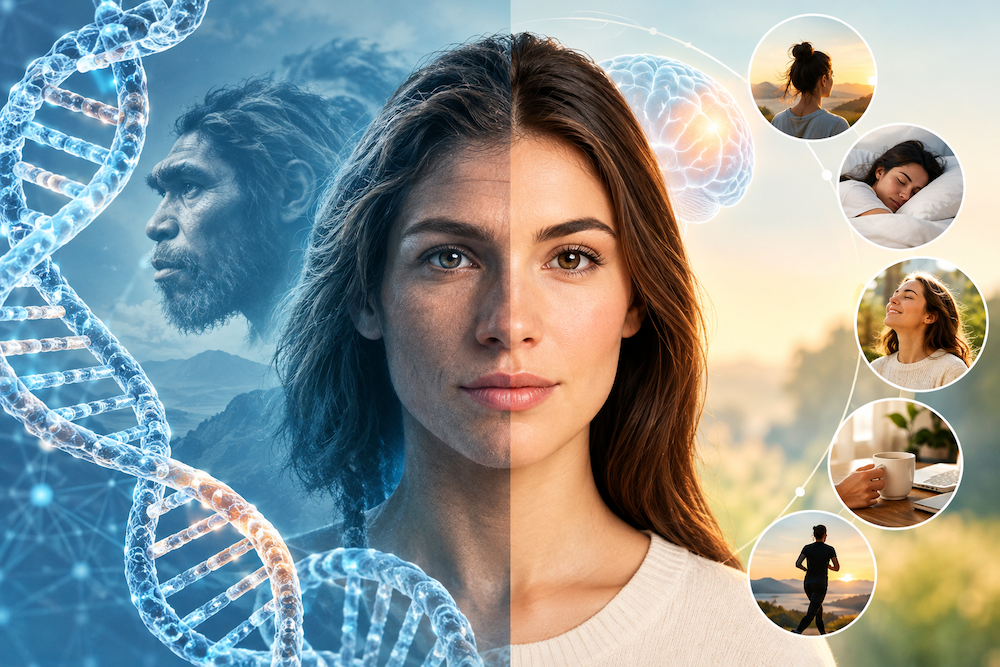
Why are some people naturally more active in the morning, while others function better in the evening? Why do we repeat certain behaviors without thinking, and why is it so difficult to break some of them? The answer lies in the interaction between genetics, experience, and our environment. Our genes can influence our biological predispositions, … Read more

Why Positive Affirmations Don’t Work for Everyone (and What to Do Instead)

Why Positive Affirmations Don't Work for Everyone (and What to Do Instead)

Have you ever caught yourself staring in the mirror, repeating lines like: “I am strong, I am successful, and I attract abundance,” only to feel an inner voice immediately whisper back: “Who are you trying to fool?” If your answer is yes, you are not alone. Although modern personal development has turned positive affirmations into … Read more

How authentic are you?

How authentic are you?

We don’t behave the same way at home as we do at work, and we don’t act the same way with friends as we do with family. Is our life a play in which we play several roles? We feel better when we can be “ourselves.” Pretending to find something fantastic when we don’t think … Read more

The Courage to Be Yourself: Why Authenticity Is the Key to a Happier Life

In a world that constantly encourages us to fit in, meet expectations, and play our assigned roles, authenticity can feel almost revolutionary. Yet psychological research suggests that the more authentic we are, the happier, healthier, and more fulfilled we become. But what does it really mean to be authentic? And why is it often so … Read more

Staying together develops intelligence

Staying together develops intelligence

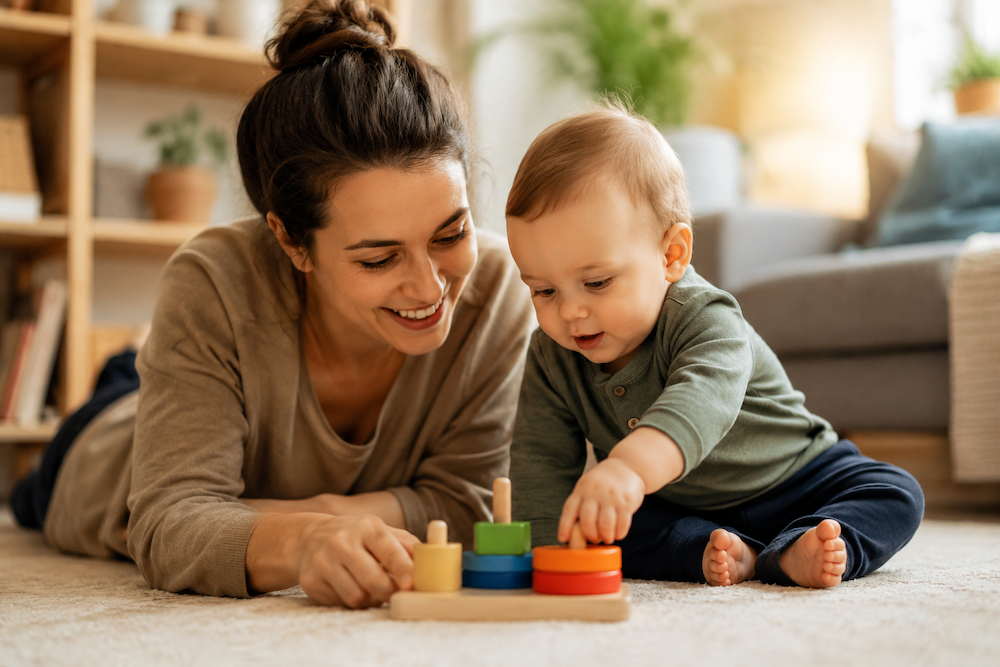
Want to improve your toddler’s attention span? Put away your smartphone and focus on them! American neuroscience researchers reached this conclusion after an experiment in which they gave new toys to 36 one-year-old babies, each accompanied by a parent. Using a camera positioned above these parent-child pairs, they measured the direction of their gaze and … Read more

Loneliness comes and goes.

Loneliness comes and goes.

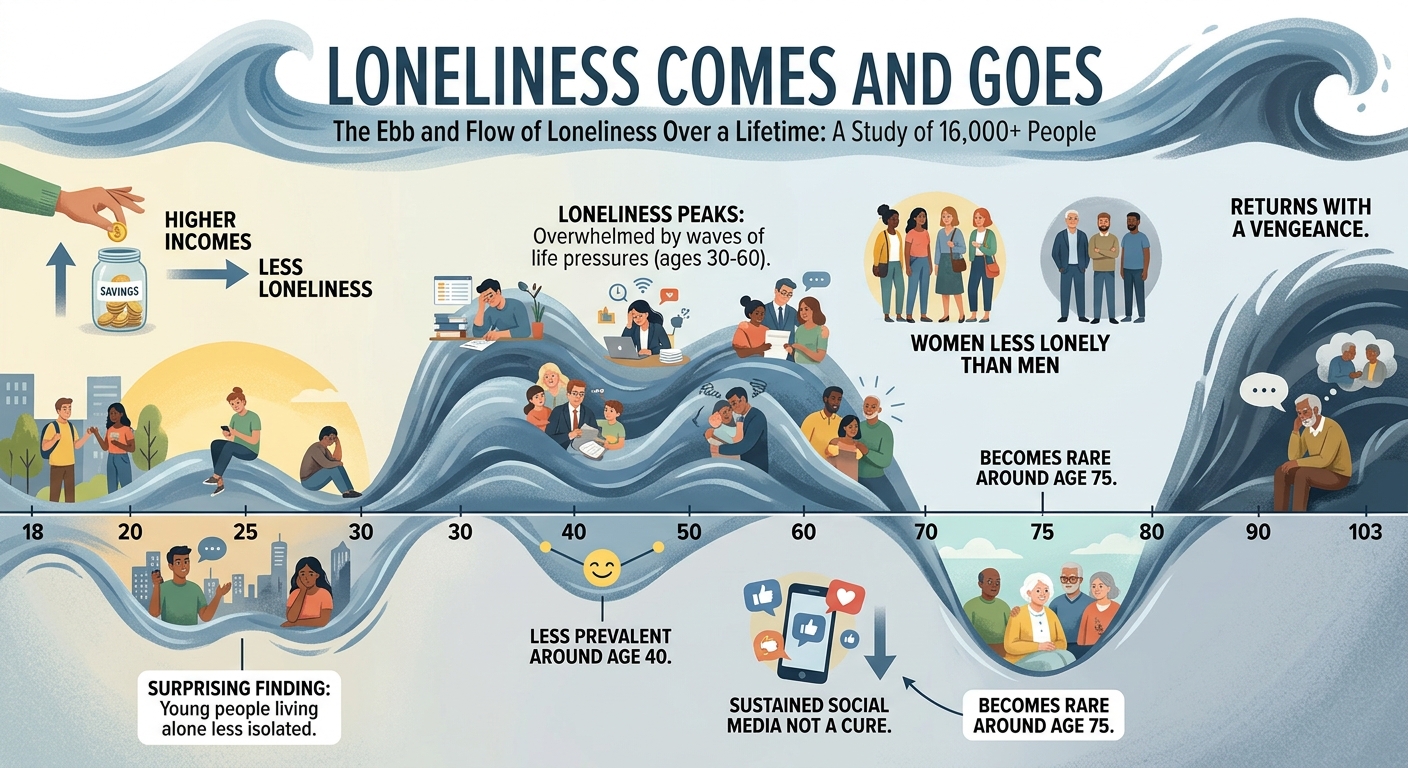
Loneliness overwhelms us in waves.The feeling reaches its peaks on average between the ages of 30 and 60. It is considerably less prevalent around age 40, and becomes rare around age 75. Only to return with a vengeance. This is the conclusion drawn by psychologists from a study conducted with more than 16,000 Germans aged … Read more