Behind the Book: Why I Wrote “Master Your Workplace Stress”
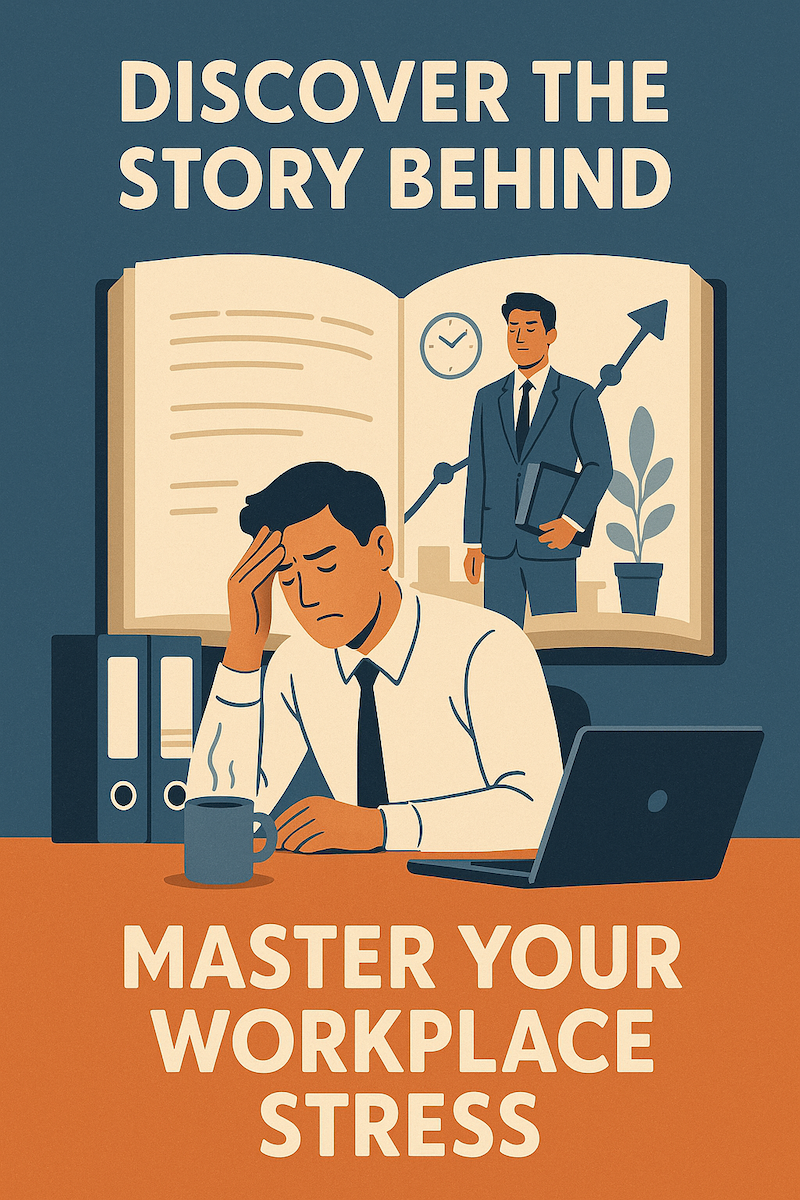
Behind the Book: Why I Wrote Master Your Workplace Stress

The Hidden Reality of Workplace Stress When I first started working in psychology and consulting, one thing became clear very quickly: workplace stress is everywhere. It doesn’t matter if you are a manager, a freelancer, or part of a large organization — stress has become part of modern professional life. But here’s the problem: we normalize it. … Read more
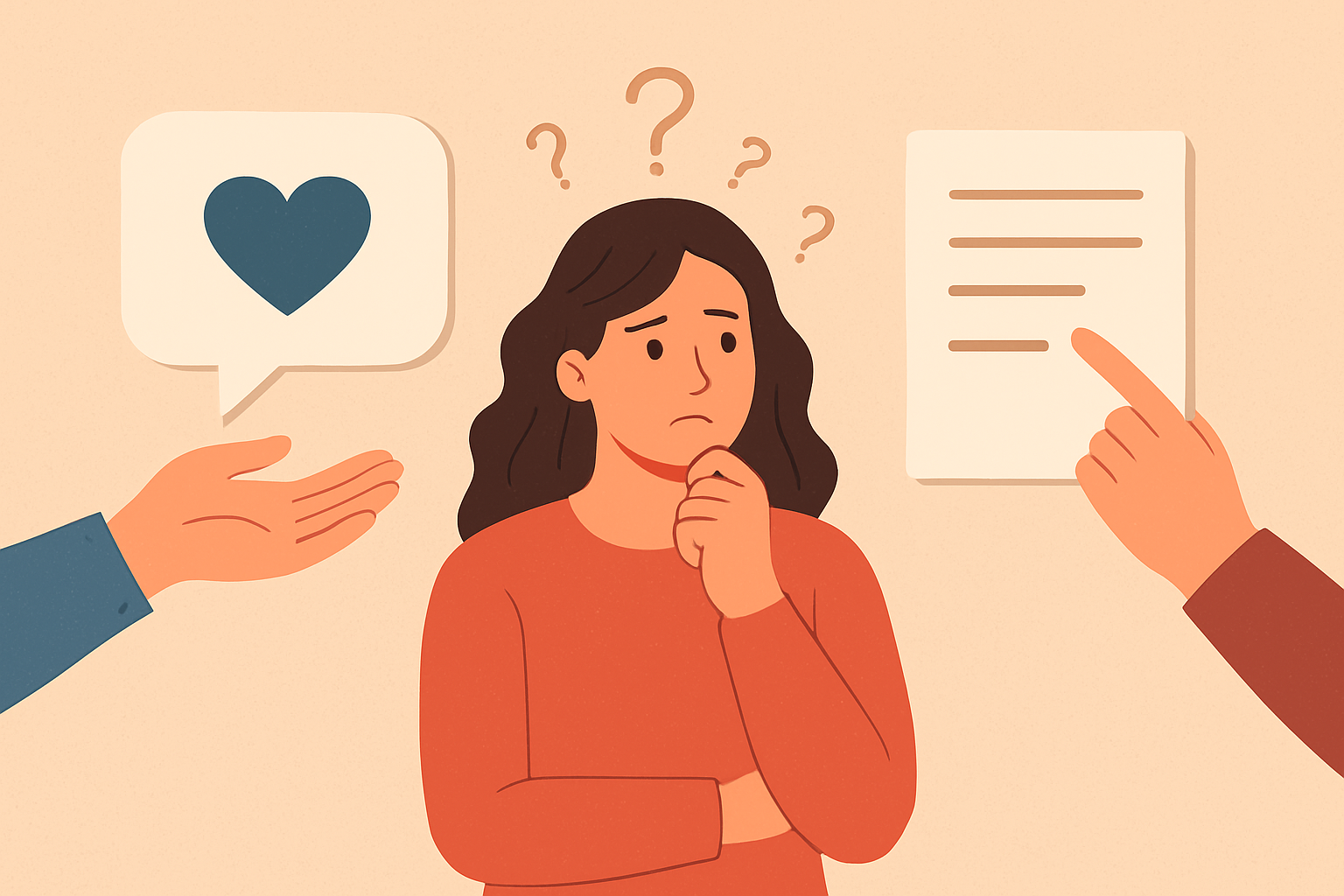

Readers Ask: How Should I Proceed When Therapists Offer Me Apparently Contradictory Messages?

Readers Ask: How Should I Proceed When Therapists Offer Me Apparently Contradictory Messages?

Dear reader, This is a very good and very common question: “What should I do when two therapists give me advice that seems to clash?”Maybe one tells you to be gentle with yourself and accept your emotions, while another suggests you take more responsibility and move into action. And you end up somewhere in between, caught … Read more

September and the Invisible Shadows of Light: A Look at Seasonal Affective Disorder

September and the Invisible Shadows of Light: A Look at Seasonal Affective Disorder

September marks the beginning of a delicate transition in nature as autumn arrives. Leaves turn warm shades of red and yellow, while days gradually become shorter. This change not only alters the natural landscape but also impacts our emotional state. Enter Seasonal Affective Disorder (SAD), a condition that affects many individuals, particularly during fall and … Read more

Neuroaromas: How Scents Shape Our Minds

Neuroaromas: How Scents Shape Our Minds

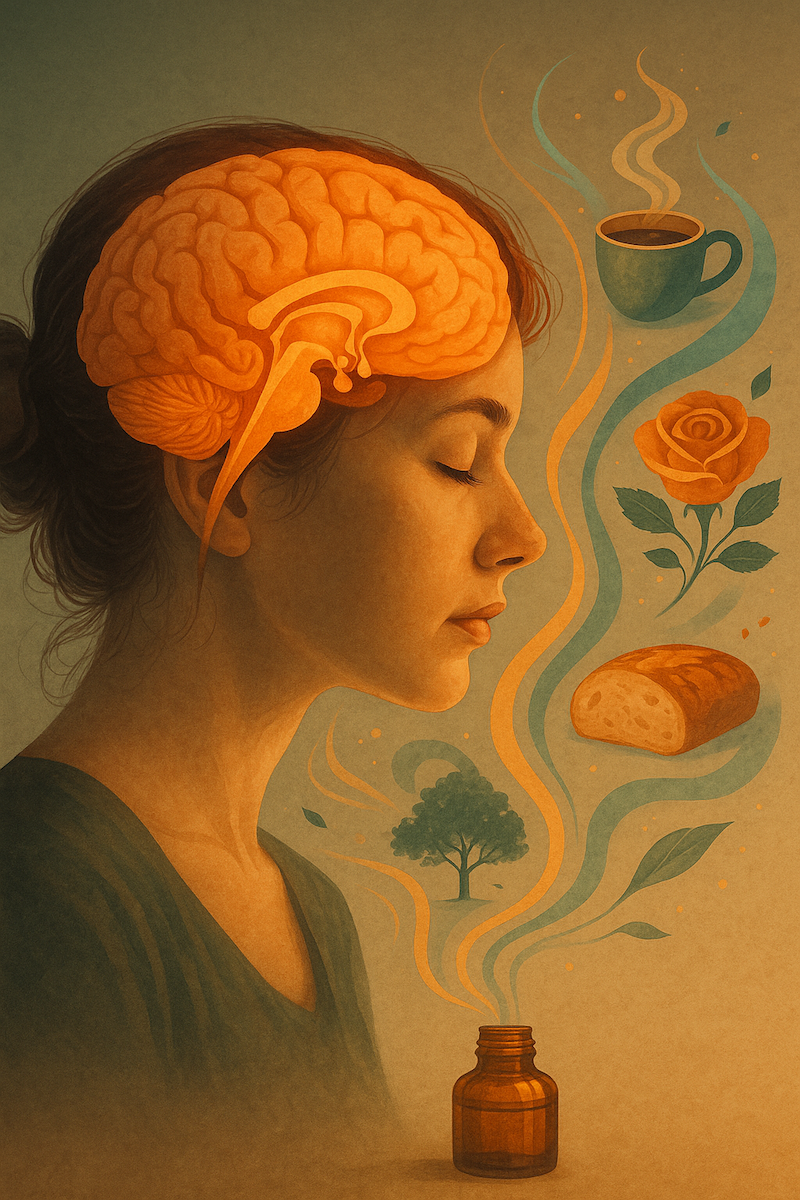
Scents don’t ask for permission. They slip straight into us, without filters, without explanations. In one second, you’re here. In the next, you’re in another life, another time. A stranger’s perfume on the street and suddenly your heart beats like it did the first time you loved. The smell of warm bread, and you’re a … Read more

AI, the New God of the Digital Age: The Anthropomorphization of Artificial Intelligence Between Fascination and Confusion

AI, the New God of the Digital Age: The Anthropomorphization of Artificial Intelligence Between Fascination and Confusion

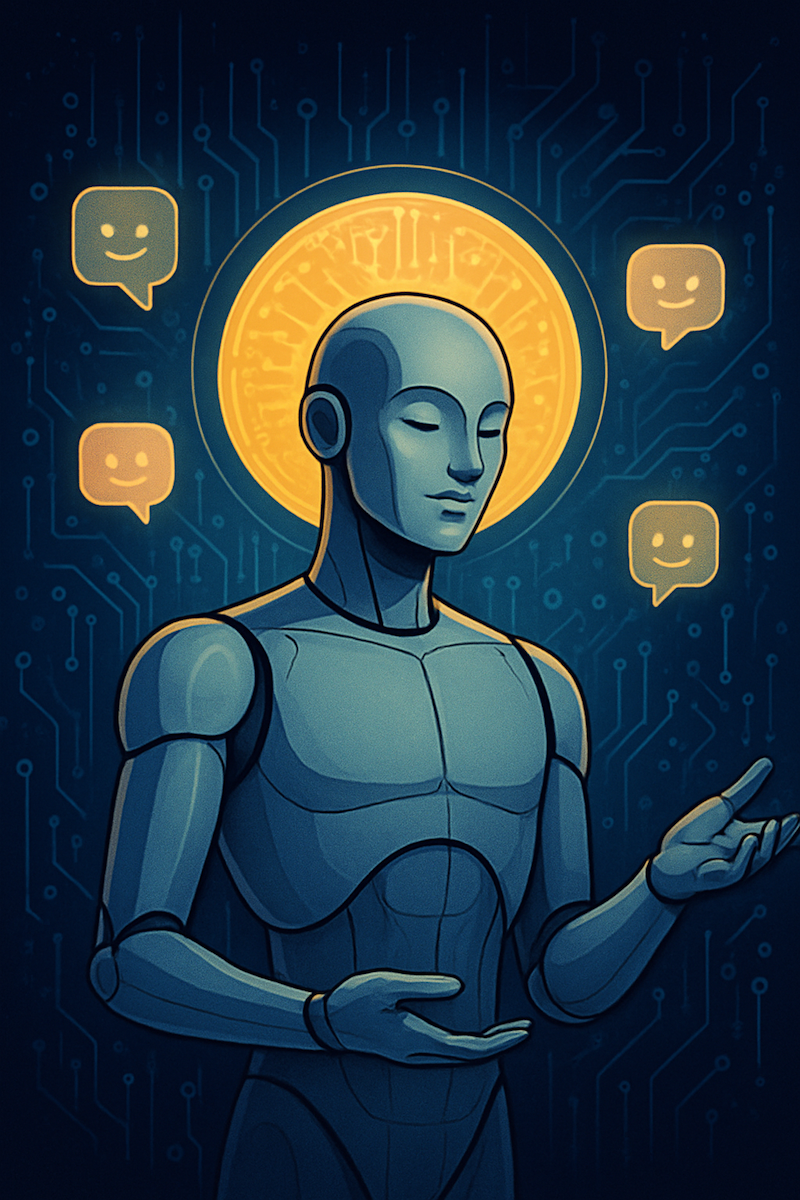
In recent decades, artificial intelligence has evolved from laboratory experiments to a part of our daily lives: virtual assistants, recommendation algorithms, and autonomous vehicles. This rapid transformation has generated two seemingly opposite but deeply interconnected phenomena: the fascination with AI as a nearly divine entity and the confusion created by the tendency to attribute human traits to it. 1. … Read more

Your 150 friends

Your 150 friends

Humans are social animals. An analysis of 128 pre-Covid epidemiological studies involving 300,000 patients has shown that two factors are key to our well-being and significantly improve our chances of survival: the frequency of our contact with others and the quality of our interpersonal relationships. Statistically, we communicate with about five friends a week, fifteen … Read more

When Pain Travels Through Generations: Unpacking the Legacy of Invisible Wounds

When Pain Travels Through Generations: Unpacking the Legacy of Invisible Wounds

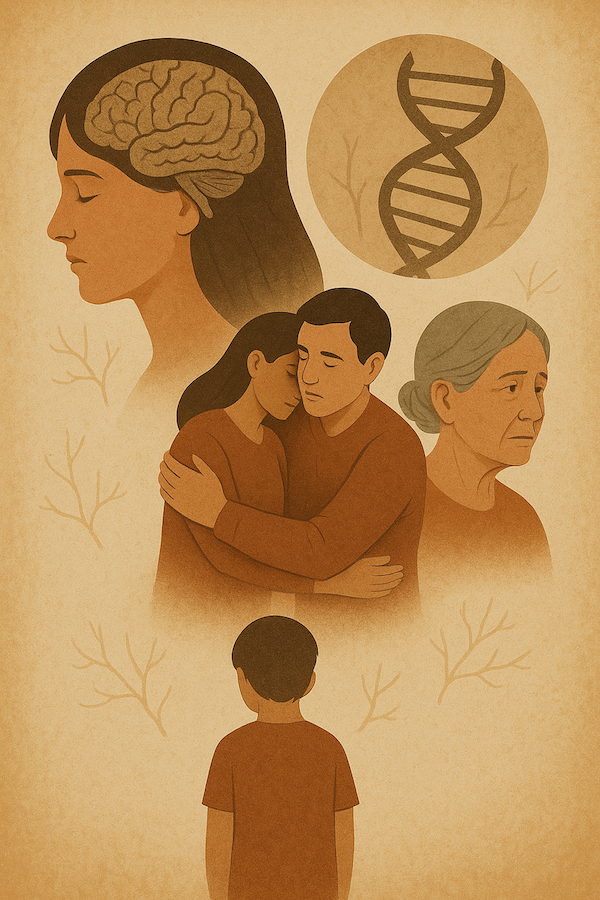
We inherit many things from our families—eye color, a fondness for certain foods, maybe even that peculiar way of laughing. But science increasingly shows we also inherit emotional imprints, shaped by ancient hurts that occurred long before we were born. These invisible legacies can influence how we form relationships, how we react to stress, and … Read more

Silences, Mistakes, and Boundaries in Psychotherapy: When the Promise of Help Breaks

Silences, Mistakes, and Boundaries in Psychotherapy: When the Promise of Help Breaks

Psychotherapy rests on trust, communication, and respect—but any rupture – prolonged silences, “human” errors, or boundary crossings – can undermine the therapeutic process. 1. Silences: Tool or Barrier?  Recommendation: The therapist should clarify the purpose of the silence (“Let’s take a moment to reflect on what you’ve just shared.”). 2. Main Therapeutic Mistakes  Any of these … Read more